
The most effective way to refresh your wardrobe for a new fashion season is to start with your personal style. Instead of buying every trending item, focus on the silhouettes, colors, and fabrics that complement the clothes you already own. This approach makes it easier to develop a wardrobe that feels current without losing its individuality.
Fashion in 2027 is exploring an interesting balance between bold self-expression and understated elegance. Structured tailoring, sheer layers, vibrant color combinations, and statement accessories offer opportunities to experiment, while refined fabrics and monochromatic outfits provide a more classic alternative.
Whether you prefer minimalist clothing or enjoy making a statement, these 12 fashion directions offer inspiration for creating stylish outfits throughout the year. Treat them as ideas to explore rather than strict rules, and choose the trends that suit your lifestyle, comfort, and budget.
1. Sculptural Tailoring for a Stronger Silhouette
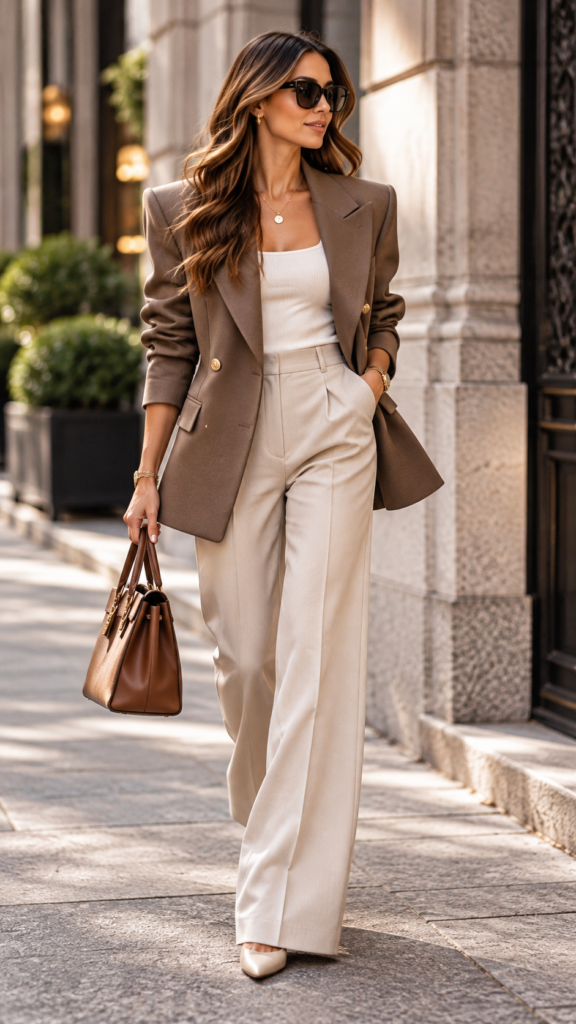
Tailoring is moving beyond traditional officewear toward designs with more structure, shape, and visual impact. Sculptural tailoring features details such as pronounced shoulders, curved seams, defined waists, and jackets that maintain their shape rather than following the body loosely.
A structured blazer can become the focal point of an outfit without requiring complicated styling. Pair one with straight-leg trousers, a simple tank top, and understated shoes. For a more dramatic look, choose a jacket with distinctive shoulders or an architectural cut, then keep the remaining pieces relatively simple.
Fabric plays an important role in this trend. Structured wool blends, double crepe, and other materials that hold their shape can help create a more defined silhouette. When shopping, pay attention to shoulder placement, sleeve length, and how comfortably the jacket moves with you.
You do not need a complete tailored wardrobe to experiment with this look. One distinctive blazer or coat can transform basic clothing into a more polished outfit. Choose a color that works with your existing pieces so that your investment remains versatile beyond a single season.
2. Sheer Layering With Thoughtful Coverage
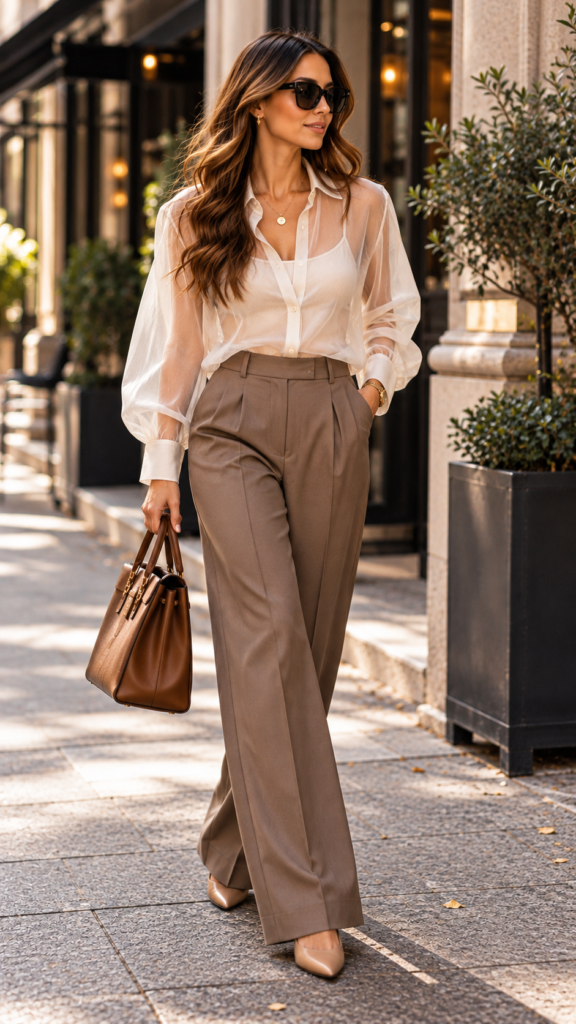
Sheer fabrics offer a way to add lightness, texture, and dimension to an outfit. Materials such as organza, chiffon, and fine mesh can be worn as outer layers, allowing you to experiment with transparency while keeping the overall look balanced.
For a modern combination, try a sheer long-sleeved blouse over a fitted camisole and tailored trousers. A sheer midi skirt can also be layered over a suitable slip or opaque underlayer. If you prefer dresses, consider a transparent outer layer over a simple dress in a coordinating shade.
The key is to make the layers look intentional. A fitted base can balance a flowing sheer garment, while a neutral underlayer can create a cohesive appearance. You can also use a blazer or lightweight jacket to introduce more structure.
Sheer clothing can be adapted to different levels of coverage and occasions. Choose underlayers that make you feel comfortable, and consider the setting before wearing particularly transparent pieces. With thoughtful styling, sheer fabrics can feel elegant and wearable rather than overly complicated.
3. Bold Color Blocking for Expressive Outfits
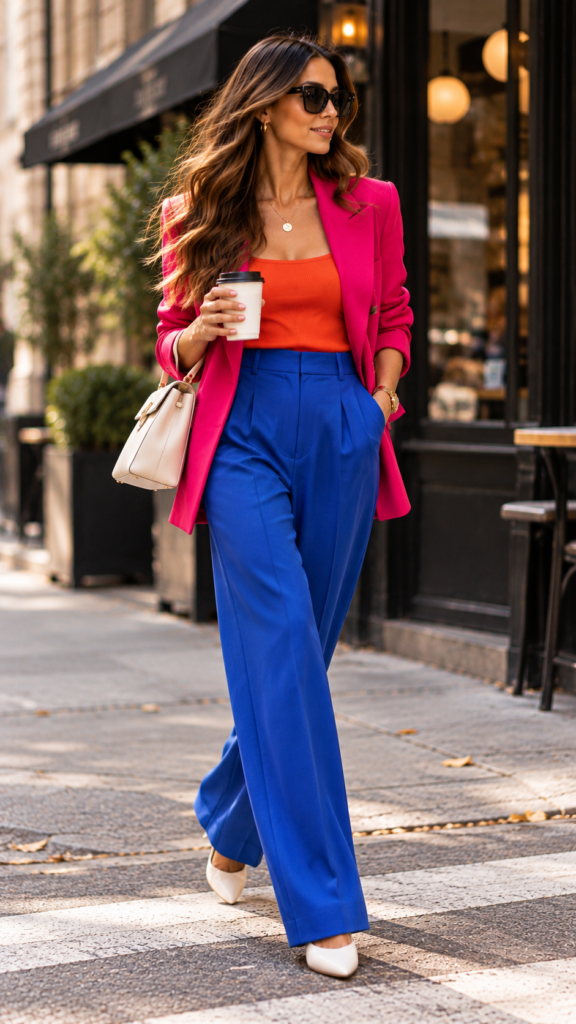
Color blocking involves combining distinct blocks of color within a single outfit. Rather than relying on subtle tonal variations, a bolder approach uses contrasting shades to create visual interest and make clothing stand out.
Combinations such as cobalt blue with orange, deep red with warm yellow, or purple with lime green can create an energetic appearance. If you prefer a more restrained introduction to the trend, start with two contrasting colors rather than several at once.
A color-blocked dress offers an easy way to experiment because the main color combination is already built into the garment. Alternatively, pair a bright top with contrasting trousers and keep your shoes and handbag neutral. This allows the colors to remain the main focus without making the outfit feel too busy.
Consider how different shades work together and how comfortable you feel wearing them. You can also experiment with color through accessories before purchasing larger pieces. A vibrant handbag or pair of shoes can provide a noticeable accent against an otherwise simple outfit.
Color blocking is particularly useful for anyone who enjoys creative styling. The goal is to make deliberate choices that express your personality while maintaining a balance between the different elements.
4. Utility Fashion With a More Refined Finish
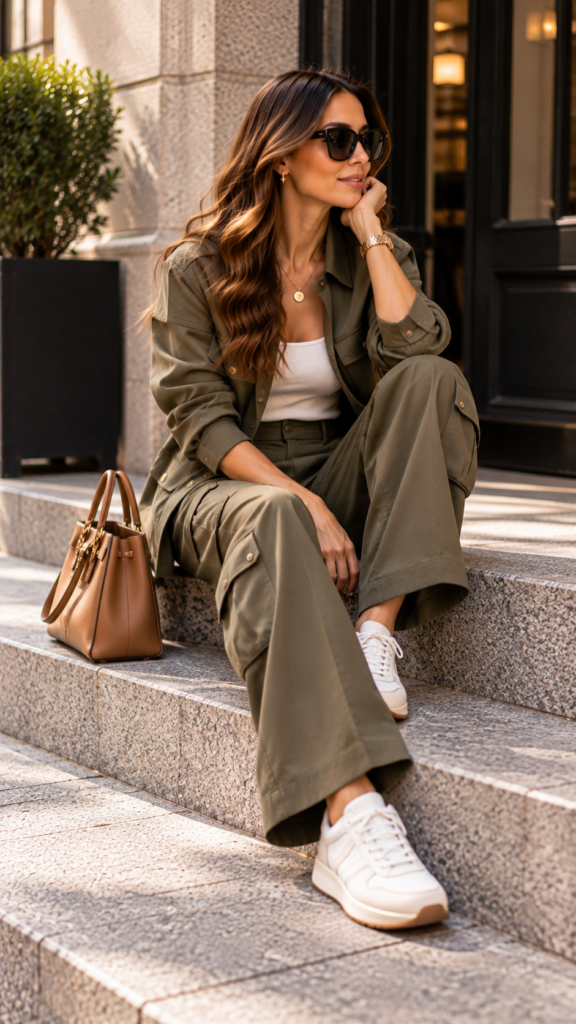
Utility-inspired clothing combines practical details with modern silhouettes. While cargo trousers and multiple pockets are familiar examples, a more polished approach incorporates these features into structured dresses, tailored pants, and carefully designed jackets.
A belted utility dress in olive or warm khaki can create a coordinated outfit with minimal effort. Tailored cargo trousers can also be paired with a fitted top, a simple blouse, or a lightweight blazer. These combinations retain the practical character of utility clothing while creating a more refined appearance.
Muted shades such as olive, sand, beige, and khaki are especially easy to combine with neutral basics. If you want to introduce the trend without changing your entire wardrobe, begin with one utility-inspired piece and style it with clothing you already own.
Fabric and fit can make a significant difference. A well-structured garment often looks more polished than a very loose design with numerous oversized pockets. Choose pieces that allow comfortable movement and suit your everyday activities.
Utility fashion works particularly well when practicality and appearance are considered together. Functional pockets, durable fabrics, and versatile colors can make these pieces useful beyond their trend appeal.
5. Fluid Silk and Satin-Inspired Dressing
Fluid fabrics create movement and a soft drape that can make an outfit feel elegant without requiring elaborate details. Silk, satin, and similar materials are useful for creating flowing dresses, wide-leg trousers, wrap blouses, and simple tops.
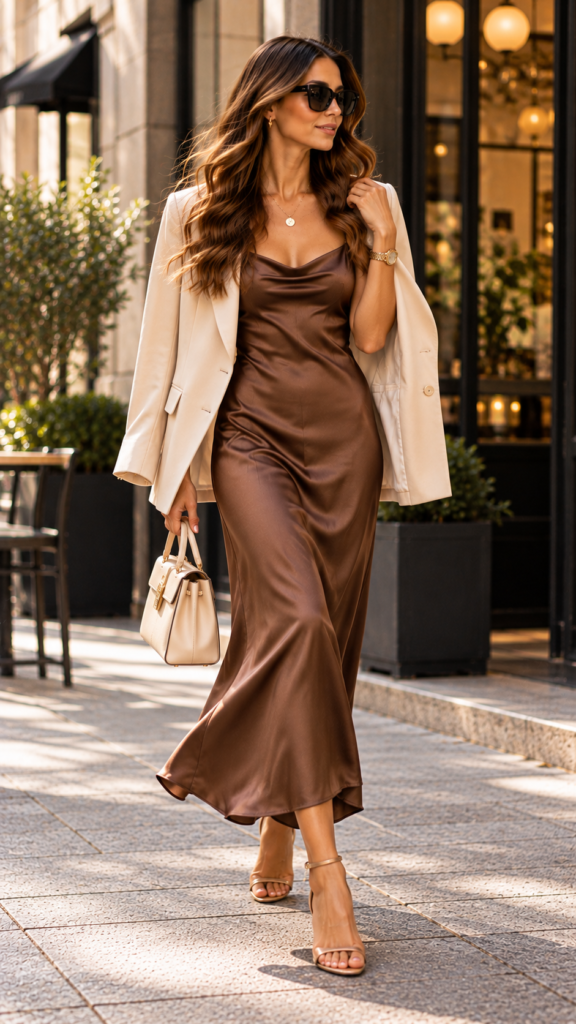
A slip dress in champagne or chocolate brown can be styled with flat sandals during the day and more refined footwear for an evening event. Fluid trousers paired with a fitted top can create a balanced silhouette, while a wrap blouse offers an alternative for outfits that need a little more structure.
Warm colors such as caramel, rust, champagne, and deep brown can complement the smooth finish of these fabrics. Neutral shades are also versatile choices because they coordinate with a wide range of accessories.
When choosing fluid clothing, consider how the fabric feels against your skin and how it behaves when you move. Some materials wrinkle easily or require delicate care, while others are designed for simpler maintenance. Check garment instructions before purchasing.
The appeal of this trend lies in its versatility. A well-chosen fluid piece can work for casual outings, dinners, and special occasions, depending on how you style it.
6. Maximalist Accessories With Simple Clothing
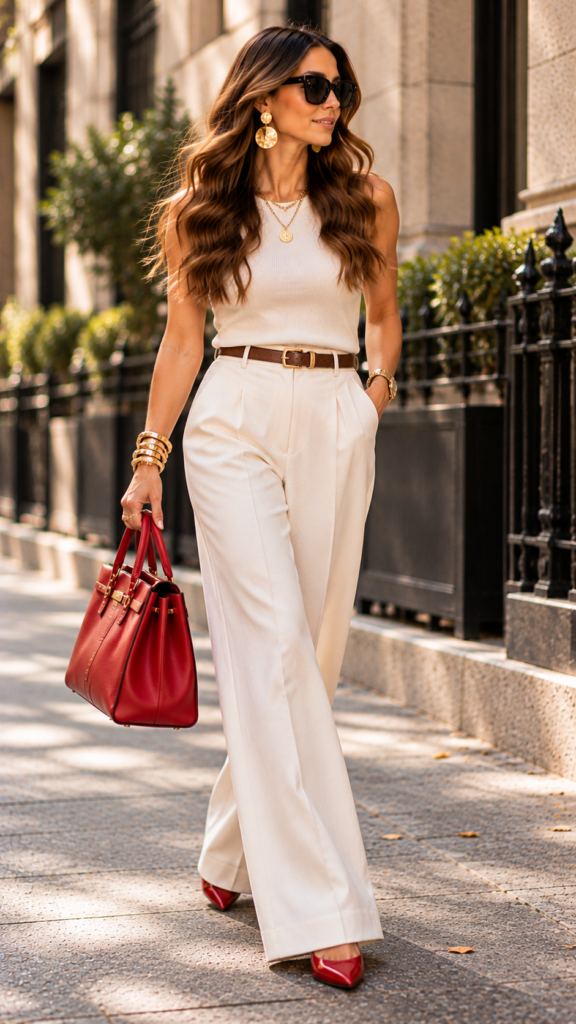
Accessories offer an opportunity to express personality, and a more maximalist approach encourages the use of noticeable jewelry, distinctive bags, and eye-catching details. Rather than keeping every accessory subtle, this style allows bold pieces to become an important part of the outfit.
Oversized earrings, layered necklaces, stacked bracelets, and statement handbags can all contribute to this look. The easiest way to wear several noticeable accessories together is to begin with a relatively simple clothing base. A plain dress or a clean-lined matching set provides space for accessories to stand out.
You could pair a neutral outfit with sculptural earrings, a colorful handbag, and layered necklaces. Alternatively, choose one striking accessory and allow it to become the main feature. Both approaches can work, depending on your preferences and the occasion.
Think about how the shapes, finishes, and colors of your accessories relate to one another. Mixing metals can create an interesting effect when the pieces feel coordinated, while too many unrelated details may make the outfit feel less cohesive.
Maximalist accessorizing does not require expensive jewelry. Vintage finds, affordable statement pieces, and accessories you already own can all help you experiment. The most important consideration is whether the final combination feels intentional and reflects your personal style.
7. Oversized Outerwear That Takes Center Stage
Oversized outerwear can make a strong visual statement, especially when the coat itself becomes the main feature of an outfit. Longer lengths, generous proportions, textured fabrics, and distinctive shapes can transform a simple combination of clothing underneath.
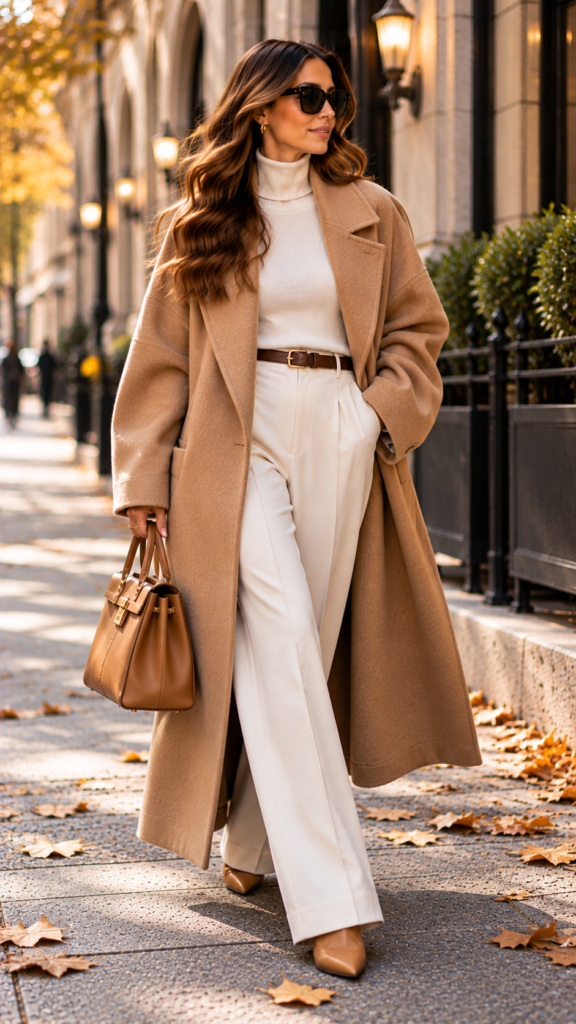
A dramatic wool coat worn over a plain top and tailored trousers creates a polished look without requiring numerous additional details. You can also experiment with a long coat in a rich jewel tone or a neutral design with a bold check pattern.
Texture adds another dimension to this trend. Bouclé, textured wool, and other substantial fabrics can create depth, while classic colors such as camel, navy, and charcoal offer versatility. Choose materials suited to your local climate so that the coat remains practical as well as stylish.
Proportion matters when wearing oversized clothing. A loose coat can work well with simple layers underneath, while carefully chosen trousers and footwear help keep the overall silhouette balanced. Make sure the shoulders and sleeves allow comfortable movement, even if the design is intentionally roomy.
One well-chosen coat can provide much of the visual interest in an outfit. Pair it with familiar basics to create a statement look without needing to purchase an entirely new wardrobe.
8. Quiet Luxury With More Texture and Detail
Quiet luxury focuses on understated clothing, versatile colors, thoughtful construction, and details that do not rely on prominent branding. Rather than disappearing, this aesthetic can evolve through greater attention to texture, fit, and material.
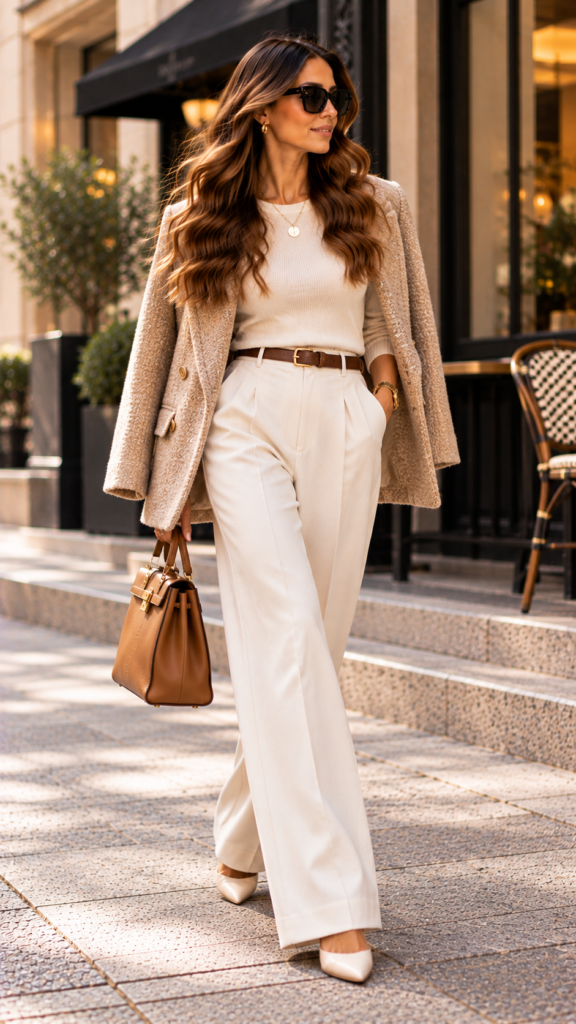
Textured wool, brushed cashmere, fine knitwear, and bouclé fabrics can add depth to outfits built around simple silhouettes. Warm ivory, camel, gray, and beige provide a flexible color palette, while careful tailoring helps create a polished appearance.
For example, pair a textured neutral blazer with matching trousers and a simple top. You could also combine a fine-knit sweater with tailored denim and understated shoes. These combinations do not require expensive designer labels to work well.
If you want to explore quiet luxury on a budget, prioritize fit, fabric feel, and versatility. Secondhand shopping can be a useful way to find classic pieces, while careful garment maintenance can help extend the life of clothing you already own.
This style is especially practical for people who prefer outfits that can be worn repeatedly. By focusing on coordinated basics and subtle details, you can create a wardrobe that feels considered without relying on constant purchases.
9. Statement Shoes That Complete the Outfit
Footwear can become the focal point of an outfit rather than simply serving as a finishing detail. Statement shoes use distinctive shapes, textures, colors, or finishes to add personality to otherwise simple clothing.
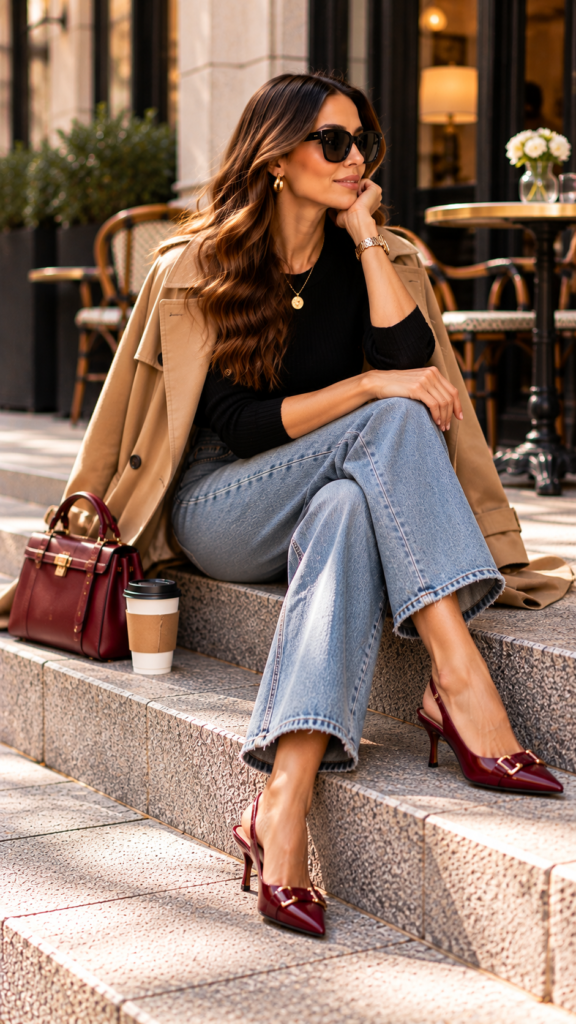
Slingback heels, block heels, loafers, wedges, and knee-high boots offer different ways to experiment. Metallic finishes, textured suede, patent-style materials, and rich colors can make a pair of shoes stand out.
A colorful pair of heels can add contrast to a neutral midi dress, while statement loafers can give tailored trousers a distinctive finish. For a more relaxed outfit, consider shoes with interesting detailing that still provide the comfort you need for everyday activities.
You do not have to choose dramatic footwear to participate in the trend. A subtle pointed toe, an unusual buckle, or a rich burgundy shade can provide enough interest without dominating the outfit.
Before buying statement shoes, consider how often you will wear them and which clothes they will complement. Fit, support, and suitability for your usual walking conditions should remain priorities. A distinctive pair that works with several outfits can be more useful than one that only suits a single occasion.
10. Broderie Anglaise and Crochet With a Polished Twist
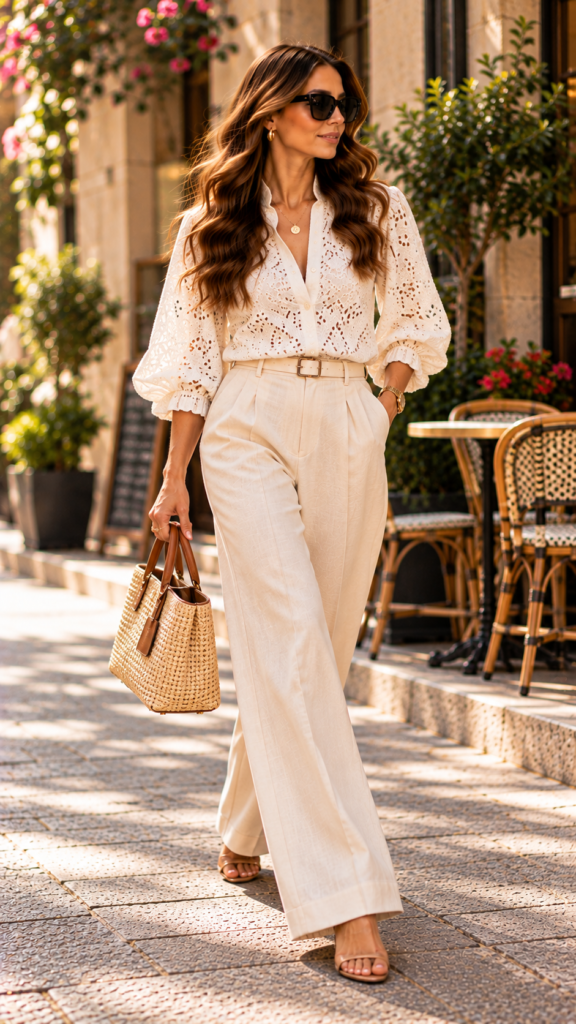
Broderie anglaise and crochet are known for their decorative patterns and textured surfaces. These techniques are often associated with casual summer clothing, but they can also be incorporated into more structured and polished outfits.
A broderie anglaise blouse paired with tailored trousers offers a balanced combination of texture and clean lines. A crochet midi dress in a solid color can also create an elegant outfit when styled with simple sandals and understated accessories.
Cream, ivory, and warm white are useful shades for showcasing these fabrics because they highlight the details without introducing too many competing elements. However, darker colors and richer tones can create a different effect if you prefer a more dramatic look.
Consider the construction and lining when selecting openwork garments. Crochet and broderie pieces may provide varying levels of coverage, so check whether the design includes a lining or works best with a separate underlayer.
The key is to let the fabric provide most of the visual interest. Pair textured pieces with simpler garments and accessories to create a cohesive appearance that works for casual gatherings, summer events, and other occasions.
11. Monochrome Dressing With Different Textures
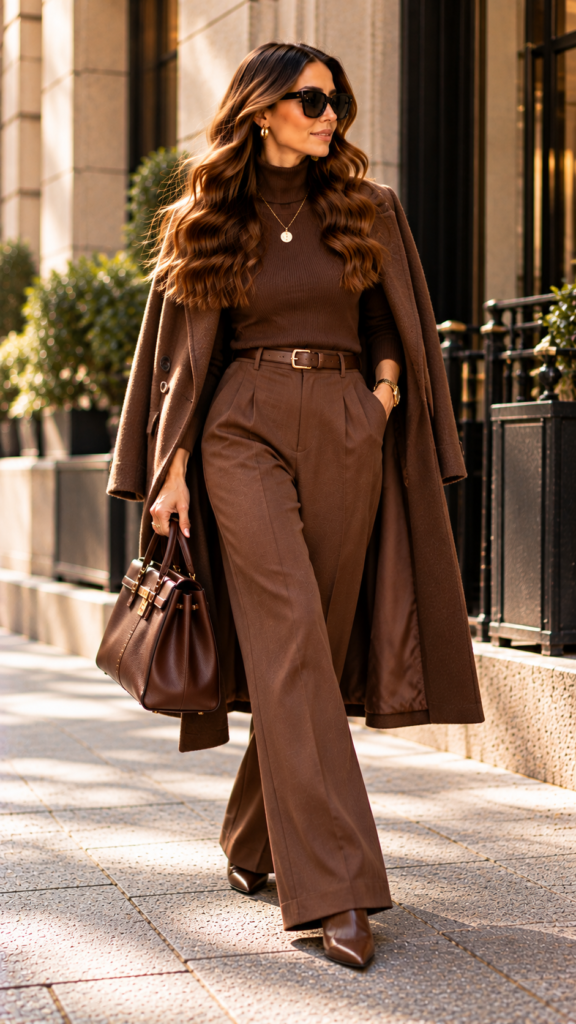
Monochrome dressing involves building an outfit around one main color. Instead of wearing identical pieces in exactly the same shade and fabric, you can combine different tones and textures to create depth.
For example, a camel knit top can be paired with tailored trousers in a similar shade and a matching leather-look bag. Chocolate brown, forest green, midnight navy, and warm gray are other colors that can work well for this approach.
Texture is important because it helps separate the different pieces visually. A knitted top, smooth trousers, and a structured bag can create an interesting combination even when they share a similar color palette.
If you prefer lighter outfits, try cream, ivory, and beige together. For a darker appearance, combine navy or chocolate brown with slightly different shades of the same color. You can also add a small metallic accessory for contrast without disrupting the overall look.
Monochrome dressing can simplify outfit planning because the pieces are already coordinated by color. It is also a useful way to make basic clothing feel more polished without relying on elaborate patterns or multiple accessories.
Final Thoughts on the Fashion Trends to Explore in 2027
Fashion trends offer inspiration, but the most useful wardrobe choices are the ones that fit your personal style and daily routine. You do not need to adopt every trend to create a modern appearance. Instead, choose a few directions that genuinely appeal to you and build your outfits around those preferences.
If you enjoy structured clothing, consider a sculptural blazer or a well-tailored utility piece. If you prefer softer silhouettes, fluid fabrics and sheer layers may be more appealing. Statement shoes and bold accessories can provide a creative update without requiring you to replace your everyday basics.
Before purchasing anything new, look at the pieces you already own and consider how a trend could work with them. Choose garments that fit comfortably, coordinate with several outfits, and suit your budget. Thoughtful shopping can help you create more combinations while avoiding unnecessary clutter.
Ultimately, a stylish wardrobe is not about owning the most clothing or following every seasonal prediction. It is about making deliberate choices, experimenting with confidence, and wearing pieces that help you feel comfortable and authentically yourself.